Art and Your Mental Health
Art has existed for thousands of years. Different art mediums have been used to promote healing such as singing, painting, drawing, and knitting to name a few. Art is often used in community mental health centres to facilitate healing and for personal growth and enjoyment. I decided to learn how to knit when I was going through a major change in my life and I found it very relaxing and social. Learning how to play a musical instrument can also lead to enhanced quality of life and enjoyment. This can be a great stress reliever and alleviate feelings of depression and anxiety and also lower your blood pressure. Painting with watercolours can also help to free your emotions and express yourself when you can’t seem to be able to express your emotions or find the right words.
Making music, singing, making a collage and dancing can all be used as a therapeutic tool to fight off boredom, fatigue, depression and signs of anxiety. This is not about the end result or becoming the next Van Gogh but healing through the process of creating art. Feel free to make mistakes, use different materials and try to limit talking during the activity at times. If listening to music during the activity, try to use instrumental music so the lyrics don’t distract you from focus and concentration and introspection which leads to improving your self worth as you go inwards.
Making art or experiencing art in some way simply by viewing it can increase serotonin levels, increase blood flow to the brain’s pleasure centres and lead to an overall more positive outlook. Get out your paints or drawing pencils. The introduction of art as a healing tool all began in the 1940’s in various mental health centres to alleviate signs of depression, anxiety, stress and other mental health diagnoses. Caregivers also benefit from engaging in art and it is shown to alleviate the stress sometimes associated with a caregiver role. Engaging in art is a pleasant distraction from focusing on the actual malaise or illness, providing a holistic approach to well-being and healing trauma. Considering all the benefits of creating art it makes sense to prioritize it somehow in our lives to increase overall quality of life.
For more on this feel free to explore the area of neuroesthetics, a whole scientific field devoted to identifying the neurobiological bases of healing through the arts and how it produces positive mental states. It combines neuroscience under the umbrella of cognitive neuroscience, psychology, and art studies to examine the biological processes involved in art for both creators and spectators. It suggests that easthetics involves both cognitive and emotional responses in the brain. There is an increase in dopamine released in the brain which helps you to feel good and is part of a reward system in the brain. This identifies the perceives art as pleasurable and desired.
Creating art has been shown to improve self-esteem, improve focus and concentration, as well as enhance communication. Creating art encourages freedom of expression. When done in a group setting, it improves interpersonal relationships and social skills and leads to resilience. It has also been shown to be highly effective for individuals who suffer from ADHD. Creating or engaging in any form of art can help to take your mind off things and distract yourself from feelings such as chronic pain and depression. It can improve mindfulness and that feeling of being present in the now. This involves being aware and conscious of your thoughts with nonjudgement. It also helps to lower cortisol levels associated with stress. This can improve psychological well-being and increase positive emotions, engaging the mind, body, and spirit, and is very therapeutic. It leads to more self-awareness, and opportunities for self-reflection.
Journaling can also be adapted to a creative art by adding visual elements to express your emotions. The use of symbolism and imagery is a very powerful way to navigate your emotional world and process them. This allows for a more complete picture of coping with sometimes complicated emotions and feelings, something not everyone is comfortable with. One simple example you can use is creating a mandala. Start with a large circle and fill it in as simple or as complicated as you like. This can lead to a sense of calm as you allow yourself to process your emotions and lower your anxiety. Feel free to use different types of paints or colours. Watercolours help with relaxation and calm and releasing emotions in a fluid way. Some may find the drawing of patterns add a sense of structure to the chaos and is somehow meditative. This also helps you to remain present. Whatever medium you use, this visual art journal is a powerful tool that leads to self-awareness and personal growth.
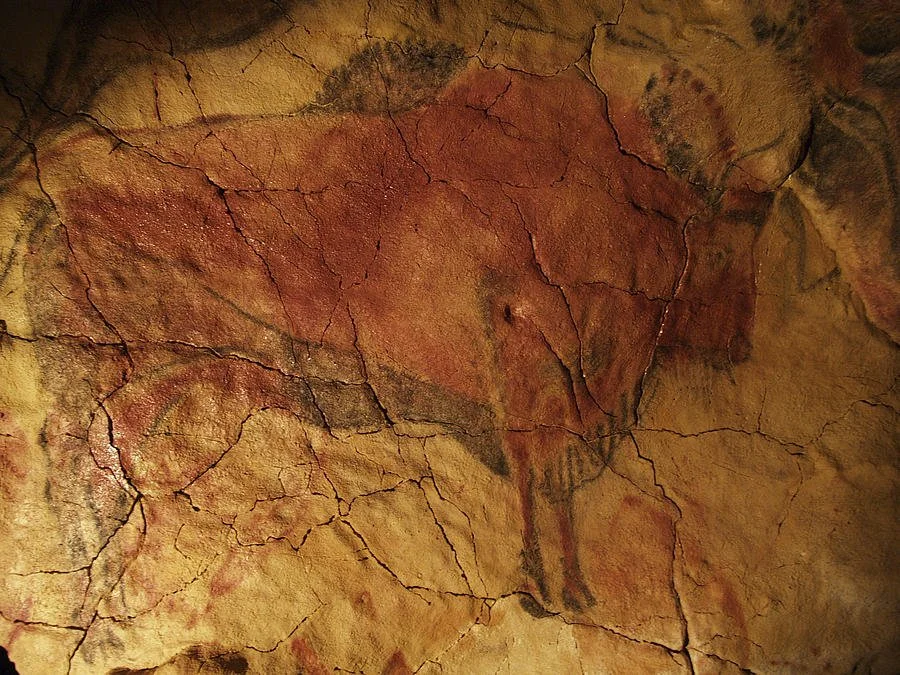
Creating art has been shown to improve self-esteem, improve focus and concentration, as well as enhance communication.